


Key factors that impact cost, efficiency, and project timelines
Hiring the right plant equipment has a direct impact on how a construction project performs. Whether the work involves earthworks, road construction, or site preparation, equipment selection affects productivity, safety, and overall project cost. In South Africa, where site conditions and timelines can vary significantly, making the right decision from the outset is essential to maintaining programme and efficiency.
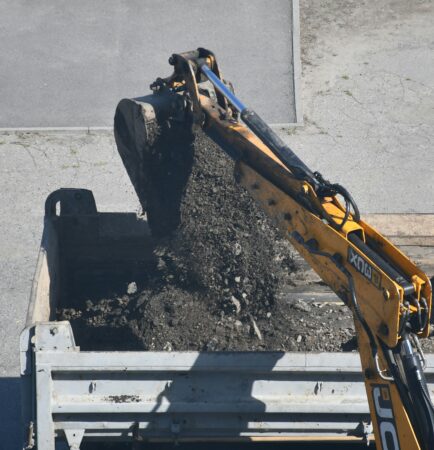
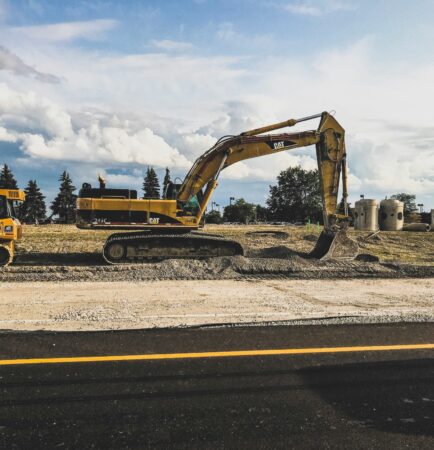
The first consideration is project scope. Different types of work require specific machinery, and selecting equipment that is either undersized or oversized can reduce efficiency. Smaller machines may struggle to meet production demands on large-scale earthmoving projects, while oversized equipment can increase operating costs without adding value. Matching equipment to the requirements of the project supports consistent output and better cost control.
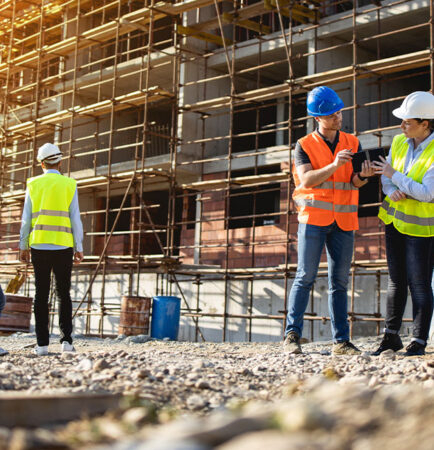
Site conditions must also be carefully assessed. Terrain, access constraints, and ground stability all influence what equipment is suitable. Sites with restricted access may require more compact or versatile machinery, while unstable or uneven ground may require equipment designed for traction and stability. Addressing these factors early helps avoid delays and operational challenges once work begins.
Equipment reliability is another critical factor. Downtime can disrupt sequencing, reduce productivity, and place pressure on project timelines. Working with a provider that maintains its fleet to a high standard helps ensure consistent performance on site and reduces the risk of unexpected breakdowns.
Operator capability and support should also be considered. Even high-quality equipment will not deliver results if it is not operated correctly. Experienced operators and proper support structures improve efficiency, enhance safety, and contribute to smoother site operations.


Cost is an important consideration, but it should not be the only factor guiding equipment selection. While lower rates may seem attractive upfront, they can result in higher overall costs if the equipment is unreliable or not suited to the task. The more effective approach is to assess total value, balancing cost with performance, reliability, and available support.
Availability and timing are equally critical. Construction programmes often rely on equipment being delivered on schedule and remaining available for the required duration. Delays in delivery or shortages can disrupt workflow and impact the broader project timeline. Planning ahead and working with a dependable plant hire provider helps ensure equipment is available when needed.
Safety compliance must also be prioritised. All equipment used on site should meet relevant South African safety standards, with proper inspections, documentation, and operator readiness in place. Maintaining strong safety practices not only protects personnel but also reduces the risk of delays, penalties, and operational disruption.
It is also beneficial to work with a provider that understands local conditions. A plant hire company with experience in Gauteng and surrounding areas will be familiar with common site challenges, logistical constraints, and project requirements. This level of insight supports better decision-making and more efficient execution on site.
Choosing the right plant equipment is not only about securing machinery. It is about ensuring that the project has the resources, reliability, and support needed to operate efficiently from start to finish. With the right planning and the right partner, projects are better positioned to remain productive, safe, and on schedule.