



Key Steps in Earthworks and Site Preparation
Earthworks and site preparation determine how well a construction project performs from the outset. Before any structural work begins, the site must be properly cleared, assessed, and prepared to ensure stability, safety, and long-term performance.
This phase goes beyond simply moving soil. It establishes the conditions required for efficient construction, helping to avoid delays, rework, and structural issues later in the project lifecycle.
- Site clearing: Removal of vegetation, debris, and obstacles to prepare the site for construction activities.
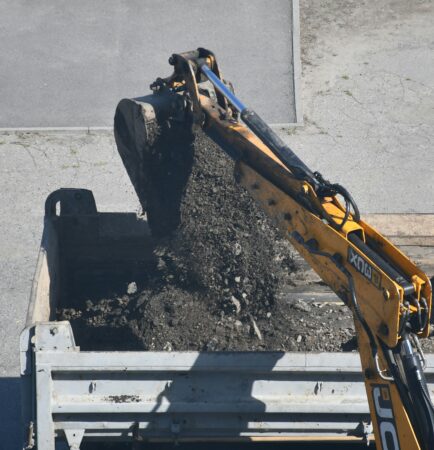
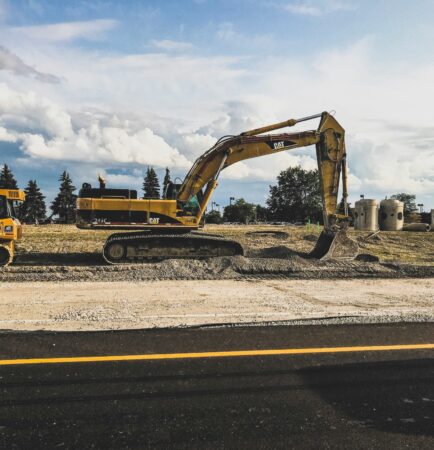
- Excavation: Cutting and relocating soil to achieve required levels and prepare for foundations and services.
- Grading and levelling: Shaping the ground to provide a stable and even base for structural work.
- Soil assessment: Evaluating ground conditions to determine load-bearing capacity and required preparation methods.
- Drainage planning: Managing water flow to prevent flooding, erosion, and long-term site damage.
Each of these steps plays a direct role in preparing the site for construction. On larger civil projects, inadequate or rushed site preparation often leads to delays, cost overruns, and structural complications later in the build.
Planning and Execution on Site
Once initial earthworks are complete, focus shifts to how the site is managed and prepared for construction. This stage requires tight coordination between teams, equipment, and timelines to maintain momentum and avoid disruption.
Effective planning directly impacts how efficiently work progresses. Excavation, grading, and drainage activities must be properly sequenced and aligned with the overall construction programme. Poor sequencing can lead to delays, rework, and unnecessary cost.
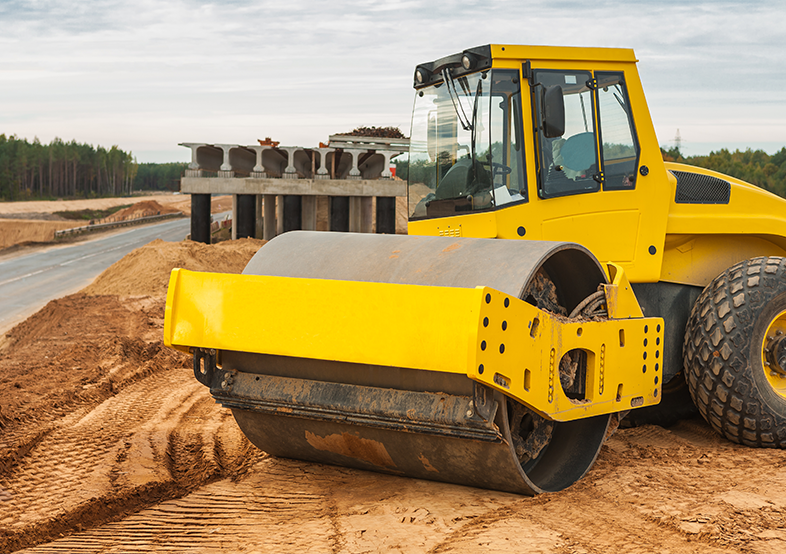
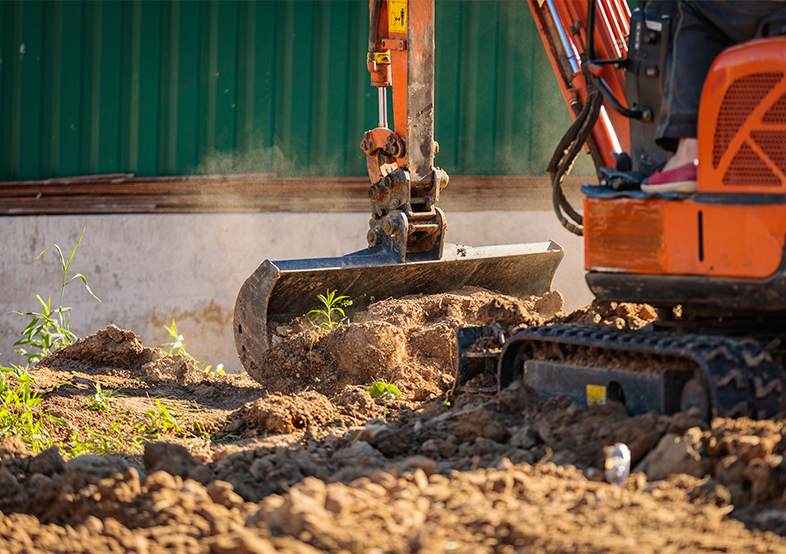
Equipment selection is equally important. Using the correct machinery for each task improves productivity and reduces time on site. Excavators, graders, and compactors must be matched to site conditions and project requirements to ensure consistent, reliable performance.
Ongoing monitoring is critical during this phase. Regular inspections help identify issues early, whether related to ground conditions, drainage, or site access. Addressing these problems immediately prevents them from impacting later stages of construction.
Strong execution during site preparation ensures a smooth transition into construction. When planning, equipment, and site management are aligned, projects are more likely to remain on schedule, within scope, and free from avoidable delays.